Hydrocele

Understanding & Treating Fluid Around the Testicle

What Is a Hydrocele?

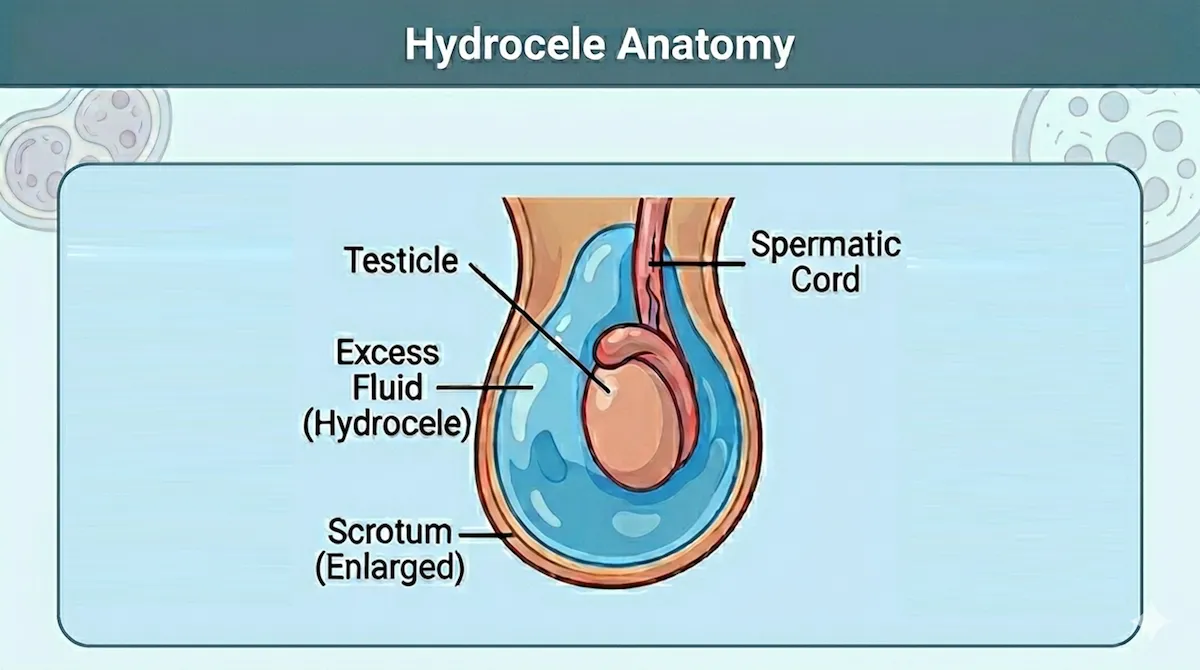
A hydrocele is a collection of fluid around the testicle inside the scrotum. It causes scrotal swelling that is usually painless but can become uncomfortable or cosmetically bothersome — especially when large.

Hydroceles are common in adult men. They can be present on one or both sides and range from small and barely noticeable to very large. In adults, they are usually not dangerous on their own — but any new scrotal swelling should be evaluated by a urologist to rule out other causes, including testicular cancer.

Small hydroceles that cause no discomfort can often be observed without treatment. Larger or symptomatic hydroceles are best treated with a simple outpatient surgery called a hydrocelectomy.

Always get evaluated: Any new scrotal mass or swelling should be examined by a urologist. A scrotal ultrasound is typically performed to confirm the diagnosis and rule out other causes of scrotal swelling, including testicular tumors.
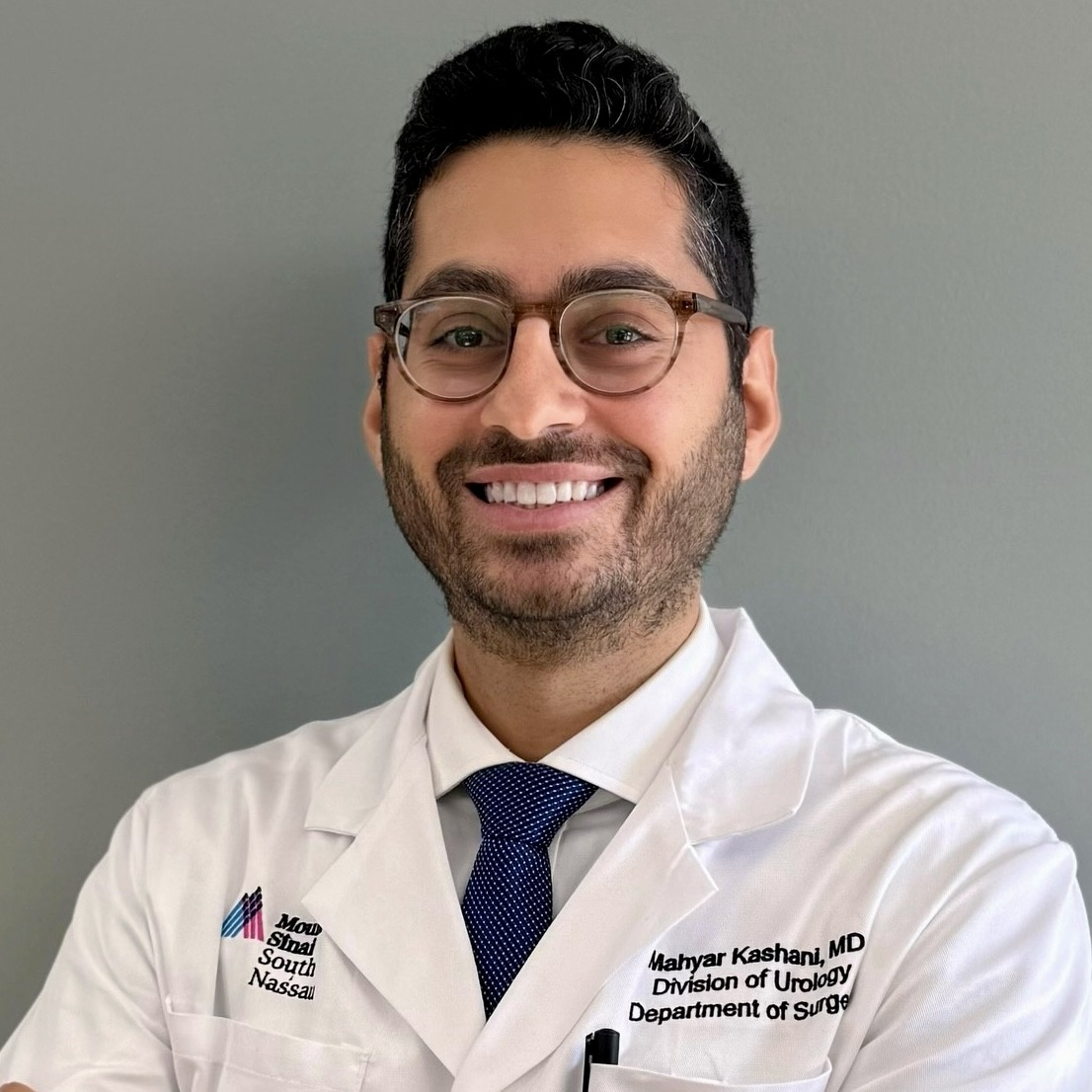
Dr. Kashani hydrocele consultation

What Causes a Hydrocele?

In adults, hydroceles most often develop on their own without a clear cause — this is called a primary or idiopathic hydrocele. Secondary hydroceles develop as a result of another condition.

Idiopathic (No Known Cause)

The most common type in adults. The fluid simply accumulates around the testicle over time without any specific trigger. More common in men over 40.

Injury or Trauma

A blow or injury to the scrotum can trigger fluid accumulation. This type often resolves on its own within a few months. If it persists, evaluation is recommended.

Infection or Inflammation

Epididymitis (infection of the epididymis) or orchitis (infection of the testicle) can cause a reactive hydrocele. Treating the underlying infection usually resolves the fluid accumulation.

After Surgery or Vasectomy

Hydroceles can sometimes develop after scrotal surgery, inguinal hernia repair, or vasectomy. Most are small and resolve on their own, but larger ones may require treatment.

Treatment: Hydrocelectomy

Surgery is the definitive treatment for hydrocele — and it has an excellent success rate with low risk of recurrence. The procedure is called a hydrocelectomy.

1

Evaluation & Ultrasound

Before recommending surgery, Dr. Kashani performs a scrotal ultrasound to confirm the hydrocele, measure its size, and ensure the testicle is normal. This is a painless imaging test done in the office or radiology suite.

2

The Procedure

Hydrocelectomy is an outpatient procedure performed under general or spinal anesthesia. A small incision is made in the scrotum, the fluid is drained, and the sac is either removed or repositioned to prevent fluid from reaccumulating. The procedure takes about 30 to 45 minutes and you go home the same day.

3

Recovery

Most men return to desk work within 3 to 5 days. Scrotal swelling and bruising are normal and resolve over 2 to 4 weeks. Strenuous activity and sexual intercourse should be avoided for 3 to 4 weeks. A supportive undergarment is recommended during recovery.

What about aspiration (draining the fluid with a needle)? Aspiration — drawing the fluid out with a needle — is a quick but temporary solution. The fluid almost always comes back. Surgery is the only reliable long-term treatment and is what Dr. Kashani recommends for symptomatic hydroceles.

Frequently Asked Questions

Is a hydrocele dangerous?

In most cases, a hydrocele itself is not dangerous. However, any new scrotal swelling should be evaluated by a urologist to rule out other conditions — including testicular cancer, which can present as scrotal swelling. An ultrasound is always performed to confirm the diagnosis.

Can a hydrocele go away on its own?

Small hydroceles — particularly those that develop after minor trauma or infection — may resolve on their own within a few months. Large or longstanding hydroceles in adults rarely resolve without treatment. Dr. Kashani will advise whether observation or surgery is more appropriate for your situation.

Does a hydrocele affect fertility or testosterone?

A simple hydrocele does not affect testosterone production or fertility. Very large hydroceles may occasionally affect sperm parameters by raising scrotal temperature, but this is uncommon. If you have fertility concerns, Dr. Kashani can perform a comprehensive evaluation.

Will the hydrocele come back after surgery?

Recurrence after hydrocelectomy is uncommon — less than 5% of cases. The surgery effectively removes or repositions the sac to prevent fluid from reaccumulating. This is why surgery is preferred over needle aspiration, which has a much higher recurrence rate.

Why Choose Dr. Kashani?

Dr. Kashani provides thorough evaluation of all scrotal conditions — including scrotal ultrasound, careful physical examination, and expert surgical management when needed. He ensures that any new scrotal swelling is properly assessed before surgery is recommended.

  • Complete scrotal evaluation including ultrasound
  • Outpatient hydrocelectomy with quick recovery
  • Expert at ruling out other causes of scrotal swelling
  • Private, discreet, judgment-free environment
  • Two convenient Long Island locations
  • Same-week appointments available
Dr. Mahyar Kashani Urologist Long Island

Don't Ignore Scrotal Swelling

Any new scrotal mass deserves prompt evaluation. Dr. Kashani offers same-week consultations at two Long Island locations.


Our Locations