Microsurgical Vasectomy Reversal — Restoring Fertility After Vasectomy
Circumstances change. A new relationship, the loss of a child, or simply a change of heart — whatever brought you here, vasectomy reversal is a real option that restores the possibility of natural conception.
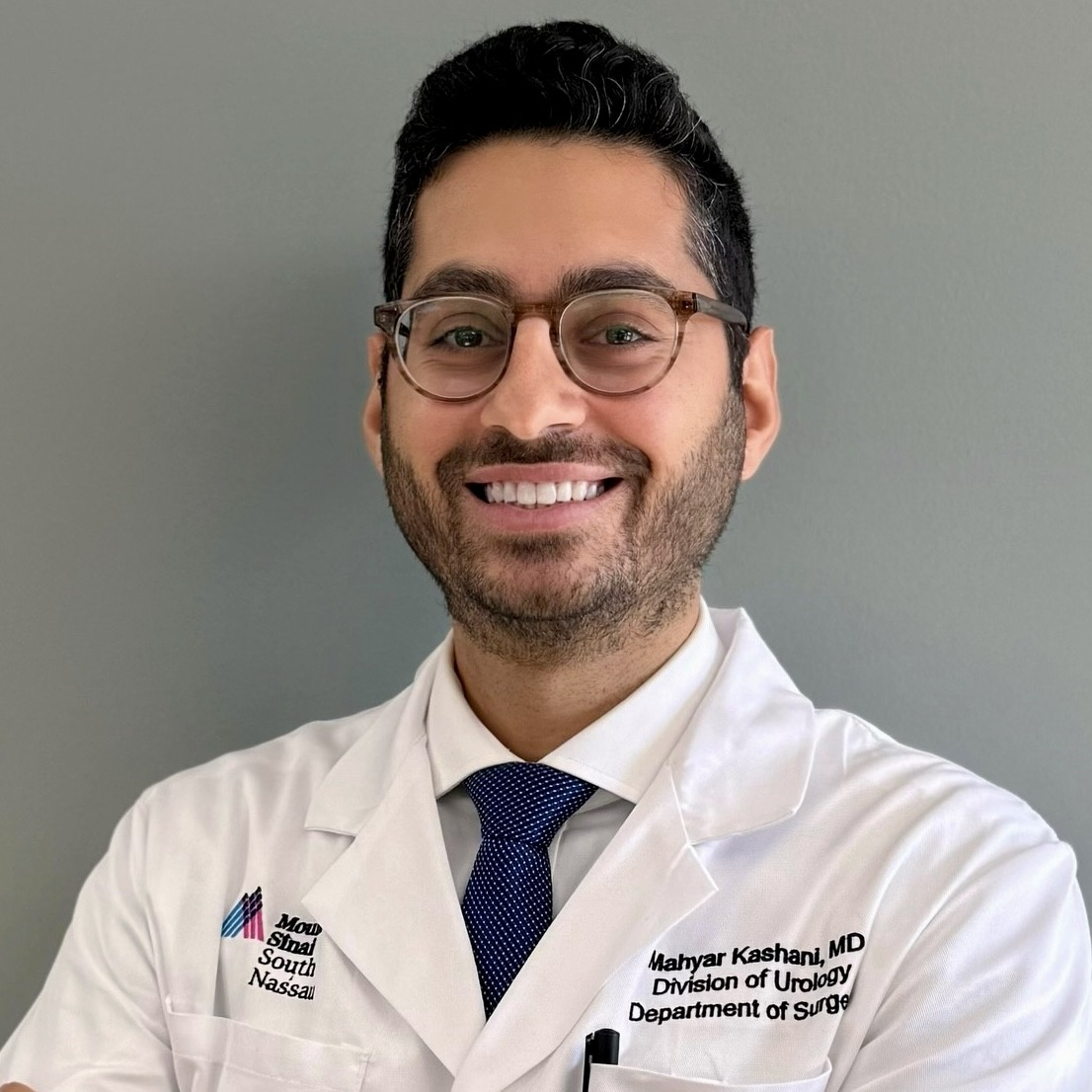
A vasectomy reversal is a microsurgical procedure that reconnects the vas deferens, allowing sperm to once again flow through the ejaculate. Dr. Kashani performs the procedure using microsurgical techniques and a high-powered operating microscope — the same approach used at major academic centers.
The procedure is performed as an outpatient surgery under general or regional anesthesia. Most men go home the same day and return to desk work within a week.
Time matters: The sooner a reversal is performed after the original vasectomy, the higher the success rate. It is always worth a consultation to understand your specific chances.

During your vasectomy reversal, Dr. Kashani will determine which procedure is needed based on what he finds at the time of surgery. This decision is made intraoperatively — you cannot know beforehand which one will be required.
The two cut ends of the vas deferens are reconnected directly. This is the simpler of the two procedures and is performed when sperm are found in the fluid from the vas deferens during surgery — confirming there is no blockage downstream. It has the highest success rates.
Performed when the vasectomy was more recent and no epididymal blockage is present. Sperm typically return to the ejaculate within 3 to 6 months.
When no sperm are found in the vas fluid — often because of a secondary epididymal blockage that develops over time — the vas deferens is connected directly to the epididymis, bypassing the blockage. This is a more technically demanding procedure requiring advanced microsurgical expertise.
More likely needed when the vasectomy was performed more than 10 to 15 years ago. Success rates are lower but still meaningful — and it is the only surgical option for these cases.
Why this matters: Not every urologist is trained to perform a vasoepididymostomy. Dr. Kashani has fellowship training in male reproductive surgery and is prepared to perform either procedure — whatever is needed — during a single operation.
Dr. Kashani will review your complete history — the year of your vasectomy, your current health, your partner's fertility status, and your goals. He will give you an honest, individualized assessment of your chances of success and discuss whether reversal or assisted reproduction (IVF with sperm retrieval) is the better path for your situation.
Vasectomy reversal is performed as an outpatient surgery under general or spinal anesthesia. The procedure takes 2 to 4 hours depending on which technique is required. Dr. Kashani uses an operating microscope and microsurgical instruments to achieve the finest possible reconnection. You go home the same day.
Expect scrotal swelling, bruising, and soreness for ~2 weeks. Most men return to desk work within 7 days and resume light physical activity within 2 weeks. Sexual activity and ejaculation should be avoided for 3 weeks to allow healing. A supportive undergarment is worn for ~2 weeks.
The first semen analysis is performed about 6 to 8 weeks after surgery to check for the return of sperm. Follow-up analyses are done every 2 to 3 months until pregnancy is achieved or sperm counts stabilize. Sperm typically return within 3 to 6 months after vasovasostomy and 6 to 12 months after vasoepididymostomy.
This is one of the most important questions to discuss at your consultation. Reversal is generally preferred when the vasectomy is less than 10 to 15 years old, the female partner is under 37, and there are no known female fertility issues. IVF with sperm retrieval may be more cost-effective when multiple IVF cycles are needed anyway or when female fertility is a concern. Dr. Kashani will walk you through both options honestly.
Success rates (return of sperm to ejaculate) decline with time: within 3 years — 75 to 97%; 3 to 9 years — 50 to 85%; 9 to 14 years — 40 to 60%; over 15 years — 30 to 40%. Pregnancy rates are roughly half of the sperm return rates, also depending on female partner factors. Dr. Kashani will give you a realistic estimate based on your specific situation.
The surgery itself is performed under anesthesia so there is no pain during the procedure. Post-operative discomfort is moderate — most men describe it as similar to the soreness after the original vasectomy, but lasting a bit longer. Pain medication and scrotal support manage this well. Most men are comfortable within 1 to 2 weeks.
Vasectomy reversal is typically not covered by insurance and is an out-of-pocket expense. The cost varies depending on the complexity of the procedure. Dr. Kashani's team will provide transparent pricing at your consultation so there are no surprises.
If sperm do not return after reversal, or if pregnancy is not achieved within 12 to 18 months of sperm returning, IVF with intracytoplasmic sperm injection (ICSI) is an effective next step. In some cases, sperm can be frozen at the time of reversal as a backup option. Dr. Kashani will discuss all contingency plans with you before surgery.
Vasectomy reversal is one of the most technically demanding procedures in urology — it requires microsurgical training, a high-powered operating microscope, and the ability to perform both vasovasostomy and vasoepididymostomy in a single operation. Not every urologist has this training.
Dr. Kashani completed his fellowship in Male Sexual Health and Reproductive Medicine at Lenox Hill Hospital in New York City — one of the premier programs in the country for male reproductive surgery.
Dr. Kashani offers thorough, honest consultations for vasectomy reversal at two Long Island locations. The first step is simply a conversation.
Mount Sinai Doctors
2 Lincoln Avenue, Suite 102