Complete Management — Medical, Minimally Invasive Surgical & Prevention
Kidney stones are hard deposits of minerals and salts that form inside the kidneys. They are one of the most painful conditions in medicine — and one of the most common urological problems in adults.
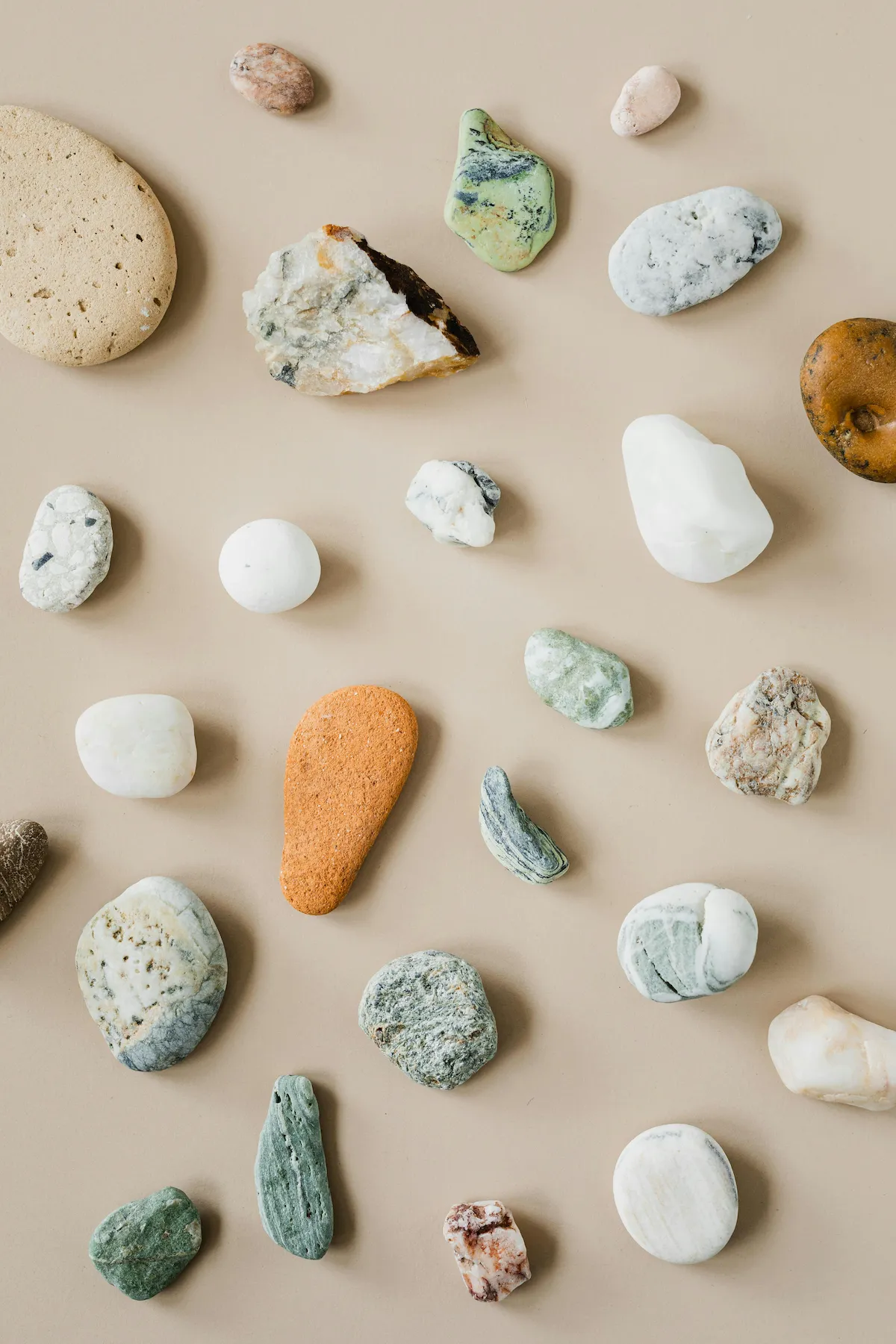
Stones form when urine becomes too concentrated, allowing minerals to crystallize and stick together. They range in size from a grain of sand to a golf ball. Small stones may pass on their own with plenty of fluids and pain medication. Larger stones — or stones that cause infection, blockage, or severe pain — require medical or surgical intervention.
Without treatment or prevention, kidney stones have a high recurrence rate — up to 50% of people who have one stone will have another within 5 to 10 years. That is why prevention and metabolic evaluation are just as important as treating the acute stone.
Go to the ER if you have: severe flank pain with fever and chills, inability to urinate, nausea and vomiting preventing fluid intake, or blood in the urine with high fever. These may indicate an infected obstructed kidney — a medical emergency.
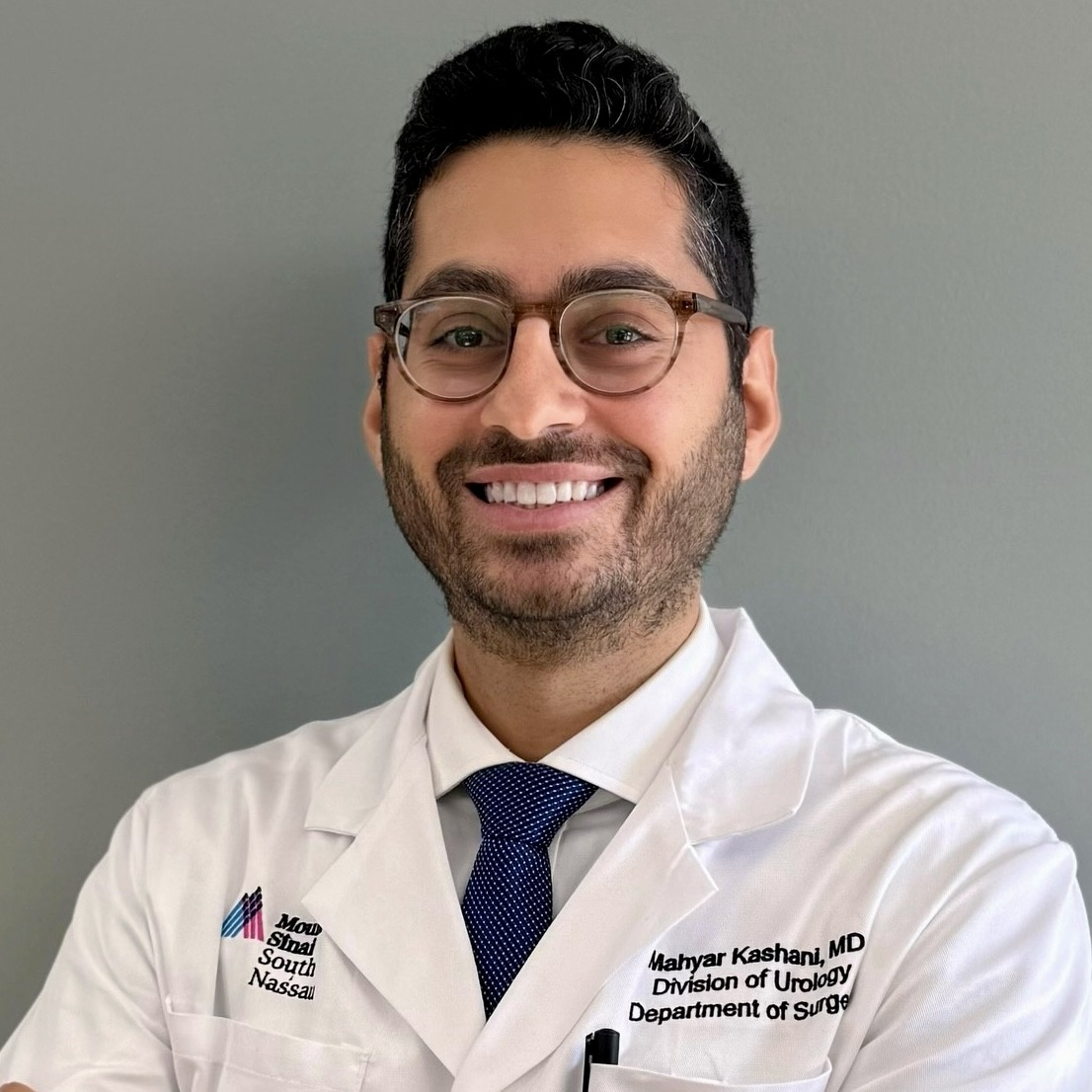
Treatment depends on the size, location, type, and symptoms of your stone. Dr. Kashani offers the full range of management options — from watchful waiting to minimally invasive surgery.
Stones smaller than 5mm often pass on their own within a few weeks. Dr. Kashani may prescribe alpha-blockers (like tamsulosin) to relax the ureter and help the stone pass faster, along with pain medication and instructions to stay well hydrated. You will be monitored with imaging to confirm passage.
Extracorporeal shock wave lithotripsy (ESWL) uses focused sound waves from outside the body to break stones into smaller pieces that can then pass naturally. It is non-invasive — no incisions, no scope. Best for stones in the kidney or upper ureter that are less than 2cm and not too hard.
A thin, flexible scope is passed through the urethra and bladder into the ureter or kidney to directly visualize and break up the stone with a laser (holmium or thulium laser). Stone fragments are then removed or allowed to pass. This is the most common surgical treatment for kidney stones and has excellent success rates with minimal recovery time.
For very large kidney stones (greater than 2cm), staghorn calculi, or stones that have failed other treatments, PCNL is the gold standard. A small tract is made through the back directly into the kidney. A nephroscope is inserted to break up and remove the stone. This procedure is performed by our team in the hospital under general anesthesia.
The most important — and most overlooked — part of kidney stone management is prevention. Without addressing why stones formed in the first place, recurrence is likely.
Dr. Kashani performs a comprehensive metabolic stone workup for patients with recurrent stones or high-risk features. This includes 24-hour urine collections, blood panels, and stone analysis to identify exactly what is driving stone formation in your body. Based on the results, he designs a personalized prevention plan.
The classic symptom is sudden, severe pain in the flank (side of the back) that may radiate to the lower abdomen or groin. You may also have blood in the urine, nausea, vomiting, or a constant urge to urinate. Some stones cause no symptoms at all and are found incidentally on imaging. If you suspect a kidney stone, a CT scan is the most accurate way to confirm the diagnosis.
The single most effective prevention strategy is staying well hydrated. The goal is to produce at least 2 to 2.5 liters of urine per day — which typically requires drinking 2.5 to 3 liters of fluid daily. Your urine should be pale yellow, not dark. Water is best — avoid excessive sugary drinks and limit soda.
Counterintuitively, no — you should not restrict dietary calcium. Low calcium intake actually increases the risk of calcium oxalate stones by allowing more oxalate to be absorbed from the gut. The key is to consume normal amounts of calcium with meals, not in supplement form, and to reduce oxalate-rich foods like spinach, nuts, and chocolate.
The procedure is performed under general or spinal anesthesia, so you feel nothing during surgery. Afterward, most patients experience some urinary discomfort and possibly a temporary ureteral stent — a small tube placed to help the ureter heal and ensure drainage. Stent discomfort is common but manageable and the stent is removed in the office within 1 to 2 weeks.
Most patients return to desk work within 2 to 3 days after ureteroscopy. Physical labor may require 1 to 2 weeks off. PCNL requires a longer recovery — typically 1 to 2 weeks before returning to desk work and 4 to 6 weeks before heavy activity.
Dr. Kashani and his team offer the complete spectrum of kidney stone management — from medical expulsion therapy and ESWL to ureteroscopy, laser lithotripsy, and PCNL — combined with a thorough metabolic evaluation to prevent recurrence.
Dr. Kashani offers prompt evaluation and same-week appointments for kidney stone patients at two Long Island locations.
Mount Sinai Doctors
2 Lincoln Avenue, Suite 102