Low Testosterone / Hypogonadism

Comprehensive Hormone Evaluation & Testosterone Replacement Therapy on Long Island

What Is Low Testosterone?

Testosterone is the primary male sex hormone. It controls sex drive, energy, muscle mass, bone density, mood, and much more. When levels fall too low — a condition called hypogonadism — the impact on quality of life can be significant.

Testosterone levels naturally decline with age — typically about 1% per year after age 30. But for some men, levels drop much more than expected, causing real symptoms that interfere with daily life, relationships, and overall wellbeing.

Low testosterone is very common and very treatable. The key is getting a proper diagnosis — not just a single blood test, but a thorough evaluation that rules out other causes and confirms that your symptoms are truly related to low T.

Not just "getting older": Many men chalk up symptoms like fatigue, low libido, and brain fog to aging. But these symptoms are not inevitable — they may be signs of low testosterone that can be effectively treated.

Dr. Kashani consulting about low testosterone
13M+ American men have low T
1% Decline per year after age 30
40% Of men over 45 affected
90% Go undiagnosed or untreated

Symptoms of Low Testosterone

Low T affects nearly every system in the body. Symptoms are often subtle at first and tend to be dismissed as stress or aging. If you are experiencing several of these, it is worth getting tested.

Fatigue & Low Energy

Persistent tiredness that doesn't improve with sleep. Many men describe feeling "flat" or lacking the drive and motivation they used to have.

Low Sex Drive (Low Libido)

A noticeable decrease in interest in sex. This is one of the most common and distressing symptoms of low testosterone for men and their partners.

Erectile Dysfunction

Low T can contribute to difficulty getting or maintaining erections. It is often a co-existing factor alongside vascular causes of ED.

Brain Fog & Poor Concentration

Difficulty focusing, memory lapses, and mental cloudiness are common complaints in men with low testosterone.

Depression & Irritability

Testosterone plays a key role in mood regulation. Low levels are strongly associated with depression, anxiety, and increased irritability.

Weight Gain & Muscle Loss

Low T reduces muscle mass and increases body fat — particularly around the abdomen. This can create a cycle that further lowers testosterone levels.

Bone Density Loss

Testosterone helps maintain bone density. Prolonged low T can increase the risk of osteoporosis and fractures.

Hot Flashes & Night Sweats

Often thought of as a female symptom, hot flashes and night sweats can occur in men with low testosterone — especially when levels drop rapidly.

How Is Low Testosterone Diagnosed?

Diagnosing low T properly requires more than a single blood test. Dr. Kashani performs a comprehensive evaluation to confirm the diagnosis and understand the underlying cause before recommending treatment.

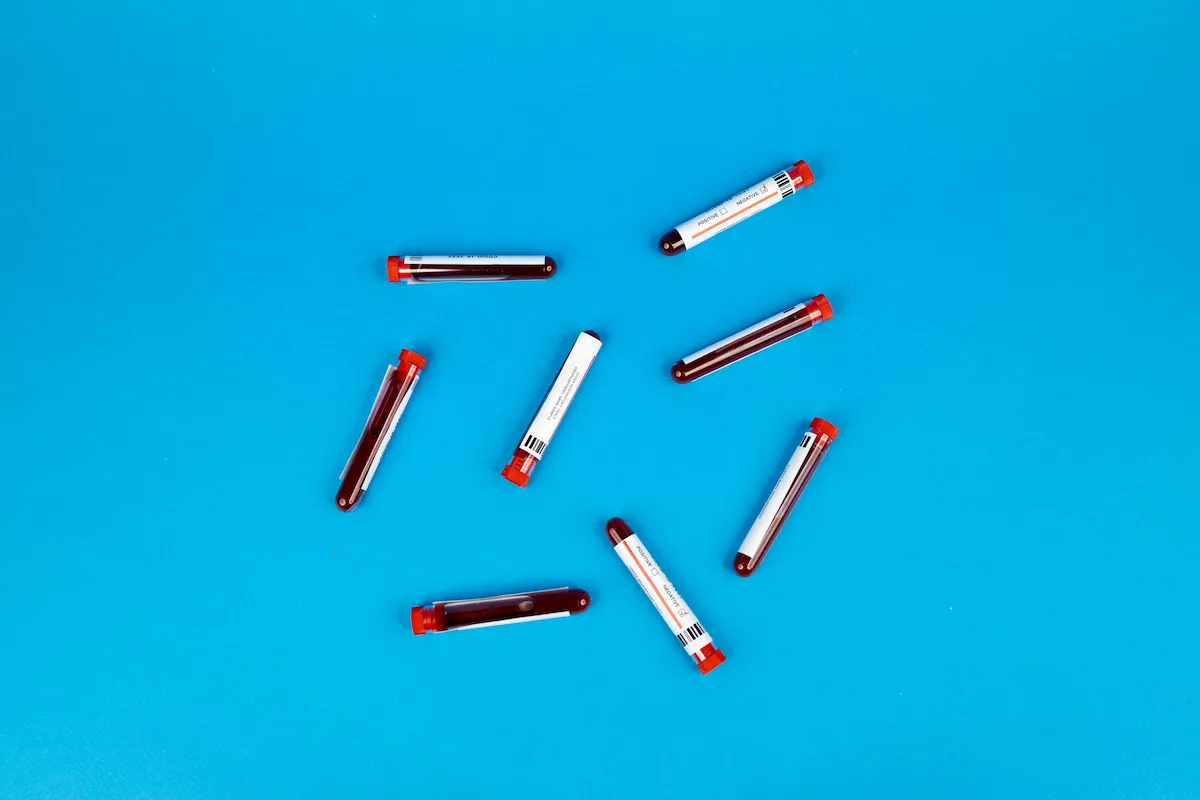
Testosterone levels should be measured in the morning when levels are highest. Two separate low readings — combined with symptoms — are typically required to confirm the diagnosis. Dr. Kashani also checks Free Testosterone, LH, FSH, prolactin, and estradiol to understand why testosterone is low and whether there are other contributing issues.

Beware of "Low T clinics": Many men's health clinics treat based on a single blood test without a full workup. This can miss other important diagnoses and lead to inappropriate treatment. Dr. Kashani takes a thorough, evidence-based approach.

Dr. Kashani low testosterone evaluation

Testosterone Replacement Therapy (TRT) Options

There is no one-size-fits-all approach to TRT. Dr. Kashani works with each patient to choose the delivery method that best fits their lifestyle, preferences, and medical needs — and monitors treatment closely to ensure safety and effectiveness.

Most Common

Testosterone Injections

Injections are the most widely used form of TRT. Testosterone cypionate or enanthate is injected subcutaneously in the abdomen or intramuscularly in the thigh/buttocks — weekly, biweekly, and sometimes as a split dose. Injections produce reliable, measurable results and are cost-effective. Most men self-inject at home after training.

Testosterone Cypionate Testosterone Enanthate Xyosted
Topical

Testosterone Gels & Creams

Applied to the skin daily, testosterone gels provide steady hormone levels without injections. They are convenient and easy to use. The main consideration is avoiding skin-to-skin contact with partners or children after application until the gel has dried.

AndroGel® Applied Daily
Oral Option

Oral Testosterone (Jatenzo®)

Jatenzo is an FDA-approved oral testosterone capsule — a newer option for men who prefer not to use injections or topical gels. It is taken twice daily with food. Unlike older oral testosterone formulations, Jatenzo is designed to be absorbed through the lymphatic system, reducing the liver burden associated with older oral androgens.

Jatenzo® (Testosterone Undecanoate) FDA Approved
Alternative Therapy

Clomiphene (Clomid) & hCG

For younger men or those who wish to preserve fertility, alternatives to direct testosterone replacement may be used. Clomiphene citrate (Clomid) and hCG stimulate the body's own testosterone production rather than replacing it externally. These options maintain natural sperm production — important for men who may want children in the future.

Clomiphene Citrate Enclomiphene hCG Preserves Fertility

Frequently Asked Questions

What is a "normal" testosterone level?

Normal total testosterone is generally considered between 300 and 1000 ng/dL. However, "normal" varies by lab and by age. More important than the number is how you feel — some men feel terrible at 350 ng/dL while others feel fine. Dr. Kashani evaluates your symptoms alongside your numbers to make the right call.

Is TRT safe?

When properly prescribed and monitored by a specialist, TRT is safe for most men. Dr. Kashani monitors blood counts, PSA, estradiol, and testosterone levels regularly to ensure your treatment stays in the safe range.

Will TRT affect my fertility?

Yes — exogenous testosterone suppresses the body's natural sperm production. Men who wish to father children in the future should discuss fertility preservation with Dr. Kashani before starting TRT. Alternatives like clomiphene and hCG can raise testosterone while preserving sperm production.

How quickly will I feel results from TRT?

Most men notice improvements in energy and mood within 3 to 6 weeks. Sexual function and libido typically improve within 3 to 6 months. Body composition changes — muscle gain and fat loss — take longer, usually 6 to 12 months of consistent therapy.

Do I have to stay on TRT forever?

Some men use TRT for a defined period while addressing lifestyle factors like weight loss and exercise. Others choose to stay on it long-term because the benefits are significant. Dr. Kashani will periodically reassess whether TRT is still appropriate and whether dose adjustments are needed.

Is TRT covered by insurance?

TRT is often covered by insurance when there is a confirmed diagnosis of hypogonadism with appropriate lab results and symptoms. Dr. Kashani's team can help verify your benefits. Generic testosterone cypionate injections are very affordable even without insurance.

Why Choose Dr. Kashani for Low T?

Dr. Kashani is a urologist and men's health specialist — not a general practitioner or a franchise "Low T clinic." He performs a comprehensive hormonal workup, treats the whole patient, and monitors your therapy with regular follow-up to ensure safety and results.

  • Fellowship-trained in Male Sexual Health & Hormone Management
  • Comprehensive hormone panel — not just one blood test
  • All TRT delivery methods available — injections, gels, oral
  • Fertility preservation options for younger men
  • Private, discreet, judgment-free environment
  • Two convenient Long Island locations
  • Same-week appointments available
Dr. Mahyar Kashani Urologist Long Island

Ready to Feel Like Yourself Again?

Low testosterone is treatable. Dr. Kashani offers thorough, evidence-based evaluations and personalized TRT at two Long Island locations.


Our Locations